This guide is for general information only and is not medical or legal advice. Rules and prices differ by state, county and shop and can change – always check current information with your local health department and the shop itself.
How you care for a tattoo in the first weeks has a big effect on how it heals and how it looks years later. Aftercare instructions differ between artists, bandage types and skin types, so always follow the instructions from your own artist first. This guide gives you the general picture so you know what is normal and what to ask about.
The first day
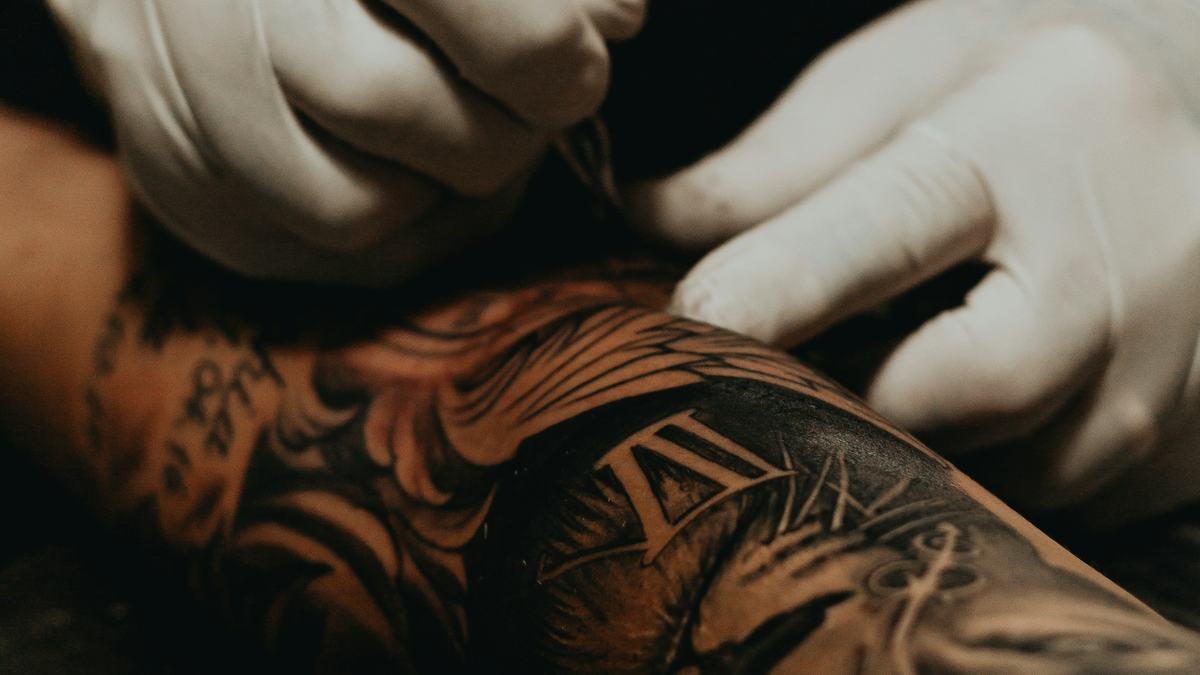
After your session your artist cleans the area and covers it with a bandage or wrap. Your artist will tell you how long to leave it on – this can range from a few hours to several days depending on the product used. When you remove it, wash your hands first, then gently rinse the tattoo with lukewarm water and a mild, fragrance-free soap. Pat dry with a clean paper towel; do not rub.
A typical healing timeline
Healing speed depends on size, placement, your skin and how well you care for the tattoo. As a rough guide:
- Days 1–3: redness, slight swelling and tenderness, a feeling similar to sunburn. Clear or lightly colored fluid may seep out.
- Days 4–14: the tattoo begins to peel and flake, similar to a sunburn, and can itch. This is normal.
- Weeks 2–4: the surface looks dull or cloudy as new skin forms. Peeling stops.
- Weeks 4–8 and beyond: deeper layers continue to heal and colors settle. Full healing under the skin can take longer than the surface suggests.
Everyday care
- Wash gently once or twice a day as your artist advises, then let the skin dry.
- Apply a thin layer of the product your artist recommends. More is not better – a thick layer can keep the skin too wet.
- Wear loose, clean clothing over the area.
- Keep it clean: avoid touching with unwashed hands, and keep pets and dirty surfaces away.
What to avoid
- Picking or scratching. Peeling skin can itch. Do not pick scabs or flakes; this can pull out ink and cause scarring. Gently patting the area is a safer alternative.
- Soaking. Avoid baths, hot tubs, pools, lakes and the ocean while the tattoo is healing, unless your artist says otherwise.
- Direct sun. Keep a healing tattoo out of the sun. Once healed, daily sunscreen helps protect the color.
- Harsh products. Avoid strongly scented lotions, alcohol-based products and anything your artist has not recommended.
- Tight clothing and friction over the tattoo, especially in the first week.
When to get help
Some redness, swelling and itching are normal. Contact your artist for advice if something seems off, and see a doctor if you notice signs that may indicate infection or an allergic reaction, such as spreading redness, increasing pain or swelling, heat, pus, a bad smell, fever, or a rash or raised bumps that get worse. Do not wait if you feel unwell. People with diabetes, immune conditions, skin conditions or allergies should talk to a doctor before getting tattooed.
Long-term care
Healed tattoos last longer with sun protection and moisturized skin. Faded lines or patchy spots can often be fixed with a touch-up – ask whether your artist offers one. If you later decide you no longer want a tattoo, read about removal options and costs.
Before you book
Good aftercare starts with a clean, licensed studio. Our guide on how to choose a tattoo shop explains what to look for, and the tattoo shop directory helps you find a studio near you.
A simple routine you can follow
Your artist's instructions come first, but many routines look something like this. Wash your hands, rinse the tattoo gently with lukewarm water, lather a mild unscented soap in your hands and wash with your fingertips, rinse, pat dry with a clean paper towel and let the skin air dry for a few minutes. Then apply the thin layer of ointment or lotion your artist recommended. Repeat as your artist advises. Keep your routine simple: gentle cleaning and light moisture are what a healing tattoo needs.
Wrapping methods: what your artist may use
Studios use different methods to protect a new tattoo. Some use a thin transparent bandage that stays on for several days, others use plastic wrap for a few hours, and some use an ointment and a paper towel. Each has its own removal and care instructions, so ask your artist which one you have and when to take it off. If a bandage starts to leak or peel off early, follow the instructions your artist gave you for that case or contact the shop.
Itching, swelling and scabs
Itching is a normal sign that skin is healing, and it can be strong. Resist scratching: it can damage the skin and pull out ink. Instead, you can lightly pat the area or ask your artist about a product they would recommend. Mild swelling is common in the first days, particularly around joints or on feet and ankles. Elevating the area can help. Thin flakes of skin are normal; thick, heavy scabs are not a good sign and should be discussed with your artist. Never peel them off.
Daily life while healing
- Clothing. Wear clean, loose fabrics, ideally soft cotton. Wash new clothes that touch the tattoo.
- Sleeping. Use clean sheets and avoid lying directly on a fresh tattoo if you can.
- Work. If your job involves dirt, chemicals or heavy sweating, talk to your artist about protecting the area.
- Exercise. Avoid activities that stretch the skin over the tattoo or cause a lot of friction. Shower soon after sweating.
- Shaving. Do not shave over a healing tattoo; wait until the skin has recovered.
- Pets. Keep animals away from the area while it is open and healing.
Sun protection for healed tattoos
Once your tattoo has healed, sunscreen is the single best habit for keeping it sharp. Ultraviolet light breaks down pigment and can make lines blur and colors fade over time, so protect any tattoo that is regularly exposed to sun. Use a broad-spectrum sunscreen and cover the area when you can. Fresh tattoos should not be exposed to direct sun and should not get sunscreen until your artist says the skin is ready.
Touch-ups and scarring
Even well-cared-for tattoos can heal unevenly, especially in areas where skin moves, such as hands, fingers and feet. A small touch-up can correct patches. Ask the shop what its touch-up policy is and when to come back. If you notice raised, thick or very painful scar tissue, speak with your artist and with a doctor.
Frequently asked questions
How long does a tattoo take to heal?
The surface usually looks healed within a few weeks, but deeper skin layers can take longer. Follow your artist's guidance.
Is peeling normal?
Yes, light peeling and flaking is a normal part of healing. Do not pick.
Can I exercise?
Light activity is usually fine, but avoid heavy sweating, friction and stretching of the area for the first days. Ask your artist about your placement.
Can I swim?
Not while it is healing. Water can carry bacteria and soften the skin.
Can I use petroleum jelly?
Some artists recommend it and others do not. Always follow your own artist's instructions, because skin type and the wrapping method make a difference.
What if I am allergic to something in the ink or ointment?
Tell your artist about allergies before the session. If you develop a rash or severe itching, contact your artist and see a doctor.
Is it normal for the colors to look dull while healing?
Yes. A thin layer of new skin can make a tattoo look cloudy. The colors usually look clearer once it has settled.