This guide is for general information only and is not medical or legal advice. Rules and prices differ by state, county and shop and can change – always check current information with your local health department and the shop itself.
A tattoo is permanent, so the shop you choose matters more than the design you pick. A great artist in a clean, licensed studio will give you a tattoo you enjoy for decades; a rushed decision can mean poor linework, an unhappy healing process or a costly cover-up. This checklist walks you through what to look at before you book.
1. Start with the style, not the shop
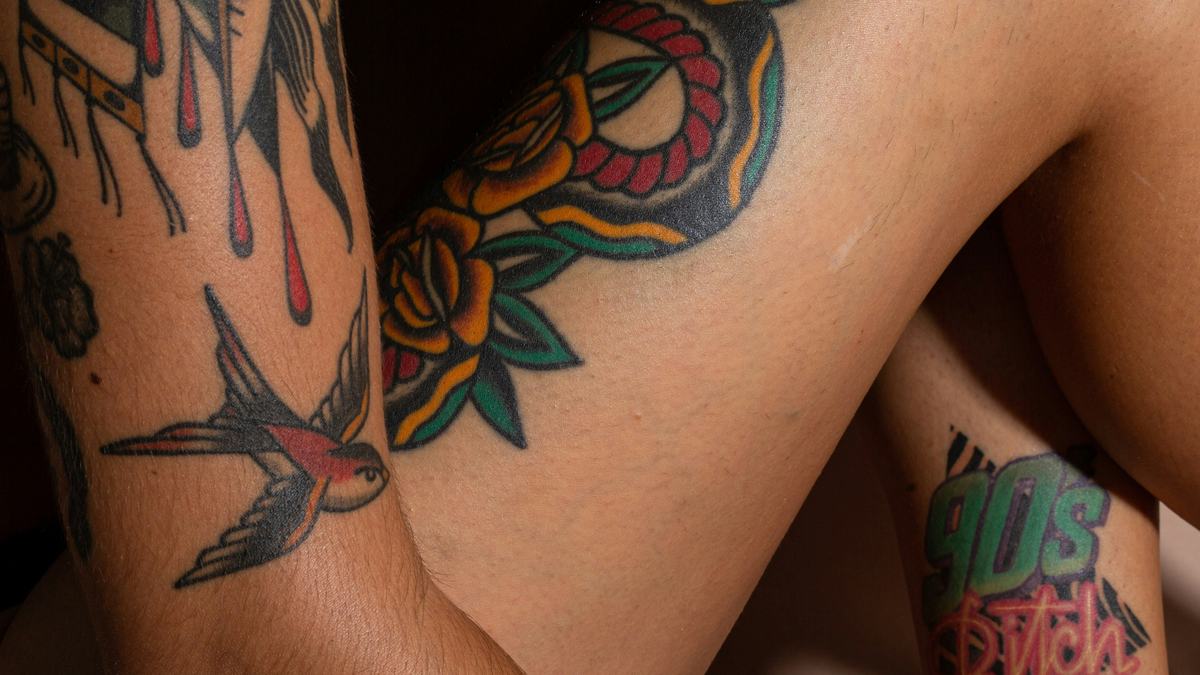
Tattooing is not one skill but many. An artist who does beautiful fine line florals may not be the right person for a bold American traditional eagle, and a realism specialist may not enjoy lettering. Decide which tattoo style fits your idea first, then look for artists who work in it every day. If you are still exploring, our articles on American traditional tattoos, forearm tattoos and hand tattoos explain what each placement and style involves.
2. Check that the shop and artist are licensed
In the United States, tattooing is regulated at the state, county or city level, and the rules are not the same everywhere. In many places shops need a health permit and artists need a license or registration. Ask the shop whether it holds the permit required in its area and where it is displayed. Your state or county health department can tell you what applies locally and, in many cases, lets you look up inspection results. Treat a shop that cannot or will not answer this question as a warning sign.
3. Look at healed work, not only fresh photos
Almost every tattoo looks good on the day it is finished. What matters is how it looks after it has healed. Ask to see healed examples, and study the portfolio for:
- clean, consistent lines without wobbles or blowouts (ink that has spread under the skin);
- solid, even color and smooth shading without patchy spots;
- work in the style you want, on skin tones and body areas similar to yours;
- a portfolio that shows the artist's own work, not borrowed or reposted images.
4. Walk in and trust your eyes and nose
A visit costs nothing and tells you a lot. A professional studio looks and smells clean: surfaces are wiped down, the work area is separate from the waiting room, and staff wear fresh gloves. Needles and tubes should come from sealed, single-use packaging that is opened in front of you, and used sharps should go into a sharps container. Equipment that is reused should be cleaned and sterilized according to the rules in your area. If anything feels careless, leave.
5. Book a consultation
A good artist wants to understand your idea, size and placement before quoting a price. Come with reference images, but stay open to suggestions – artists know what holds up on skin over time. Ask how many sessions a piece will take, how the artist handles changes to the design, and how deposits work. A deposit is normal and usually secures your appointment; it should be clearly explained and written down.
6. Understand pricing, and do not shop on price alone
Shops price by the piece, by the hour or with a minimum charge. Size, detail, color, placement and the artist's experience all affect the quote. Very low prices can mean inexperience or shortcuts; very high prices do not guarantee quality either. Read our tattoo cost guide to see what drives the price.
7. Ask about aftercare and touch-ups
A reputable shop gives you written aftercare instructions and explains them. Ask whether minor touch-ups are included and for how long. You can read general information in our aftercare guide, but always follow the instructions of your own artist and talk to a doctor if you have a skin condition, allergies or other health concerns.
8. Red flags
- No license or permit on display, or vague answers when you ask.
- Pressure to decide on the spot or to pay large non-refundable amounts without a written agreement.
- No portfolio, or only stock photos.
- Reluctance to show you how equipment is prepared.
- Willingness to tattoo someone who is visibly intoxicated, or a minor without following the legal requirements. Age rules are covered in our guide to age and license rules.
9. How to use Tattoo Insights to find a shop
Our directory lists thousands of tattoo shops, studios and independent artists across the USA. Start on the tattoo shops overview, pick your state and city, and compare shops by location, website and contact details. You can also search by name or city. Listings come from publicly available business information; we do not inspect or endorse any shop, so please do your own checks using the steps above.
10. Questions to ask at the consultation
A consultation is the best moment to find out whether an artist is a good match. You do not need to interrogate anyone, but these questions give you a lot of information in a few minutes:
- "Do you work in this style regularly?" Artists are happy to say what they specialize in, and a good one will tell you honestly if another artist would suit your idea better.
- "How long will this take, and how many sessions?" Large or detailed pieces often take more than one sitting. Ask how sessions are spaced to give the skin time to heal.
- "How do you handle changes to the design?" Some artists send a drawing before the appointment, others draw on the day. Know in advance whether you can request changes and whether that affects the price.
- "What is your deposit and cancellation policy?" Get the details in writing, including what happens if you need to reschedule.
- "What do you recommend for placement and size?" An experienced artist knows how a design will age on a particular part of the body and may suggest adjustments that keep the lines clear for years.
11. Consider the whole experience
Skill matters most, but communication matters too. You will spend hours in the chair, so pick someone you feel comfortable with. Notice how the studio handles your first message: a prompt, friendly, clear answer is a good sign, and so is an artist who explains the process without pressure. It is fine to visit more than one studio and to take time before you decide. A good artist will not rush you.
12. Do not skip the basics on the day
Once you have booked, prepare for the appointment: eat beforehand, drink water, wear clothes that give easy access to the area, and avoid alcohol and anything that thins the blood unless a doctor advises otherwise. Arrive on time with a valid photo ID, because studios are legally required to verify age in many places. Ask your artist if you are unsure about medication or a health condition, and tell them about allergies before the session starts.
Shop, private studio or independent artist?
Traditional street shops are easy to find and often take walk-ins for flash designs. Private studios and suites, where an artist works alone by appointment, can feel calmer and more personal, but they are often booked further ahead and may not have a storefront. Neither is automatically better. Our directory separates shops and studios from independent artists, so you can look at both on the same city page. Whichever you choose, the licensing and hygiene checks above apply in exactly the same way.
Frequently asked questions
How far in advance should I book?
Popular artists can be booked weeks or months ahead, while many walk-in friendly shops can fit in small pieces sooner. Ask when you inquire.
Should I choose a shop or an independent artist?
Both can be excellent. Shops offer an established space and often several artists; independent artists work in private studios or suites. The checks above – licensing, hygiene, portfolio – apply to both.
Is it rude to ask to see the sterilization setup?
No. Professionals expect these questions and are usually happy to explain how they work.
Can I bring a friend?
Policies differ. Many studios limit guests, so ask in advance.
What if I am not happy with the design on the day?
Speak up before the needle touches your skin. A professional artist would rather adjust a stencil than tattoo something you are unsure about. Once the session starts, changes are much harder.
Do I need to tip?
Tipping is common in the United States when you are happy with the work. Many people tip a percentage of the price; ask the shop if you are unsure what is usual.
Can I choose a shop based on online reviews alone?
Reviews can be a useful signal, especially for communication and cleanliness, but they are not proof of skill. Combine them with the artist's healed portfolio and your own visit.