Walk into a tattoo shop and you will hear style names everywhere: "traditional," "neo-trad," "fine line," "blackwork." Each style has its own look, history and technique, and most artists specialize in a few. Knowing the styles helps you describe your idea and find the right artist. Here is a plain-language overview.
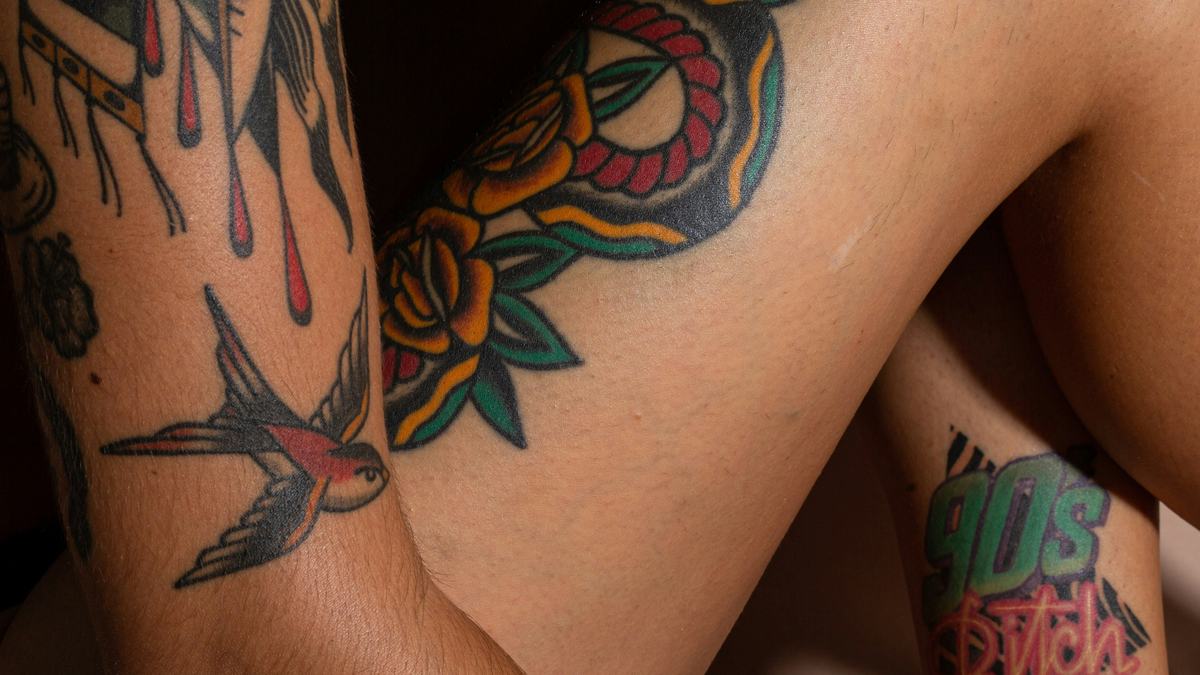
American Traditional
Bold black outlines, a limited palette of saturated colors and classic motifs such as roses, anchors, eagles and daggers. It is built to stay readable for decades. Read our full article on American traditional tattoos.
Neo-Traditional
Takes the structure of traditional work and adds a wider color range, more detail and varied line weights. Often features illustrative animals, flowers and portraits with a decorative feel.
Japanese (Irezumi)
Flowing, large-scale compositions with dragons, koi, waves, flowers and mythical figures. Japanese tattoos are often planned as sleeves, back pieces or bodysuits, so the design follows the shape of the body.
Realism
Aims to look like a photograph or painting: portraits, animals, objects. It requires careful shading and detail, so choose an artist with a strong realism portfolio and healed examples.
Black and Grey
Uses shades of black ink diluted to grey instead of color. Popular for portraits, religious imagery, lettering and fine detail. It can be combined with realism or other styles.
Fine Line
Thin, delicate lines for minimalist symbols, botanical designs, script and small details. Because the lines are thin, placement, skin care and an experienced artist matter for how it ages. Fine line tattoos may need touch-ups over time.
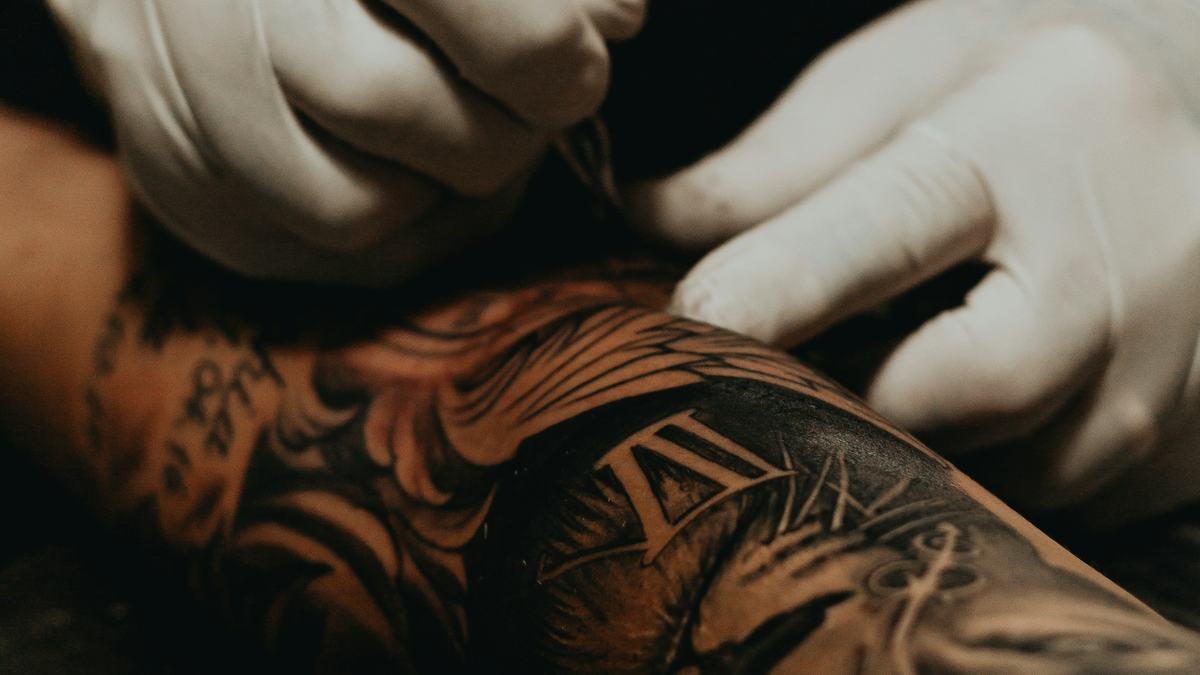
Blackwork
Heavy black ink in bold shapes, patterns and geometric designs. Blackwork can range from graphic ornaments to large dark areas and is also used for cover-ups.
Watercolor
Imitates painted washes of color, often with soft edges and splashes. The look can change as the tattoo ages, so ask the artist how they make it last.
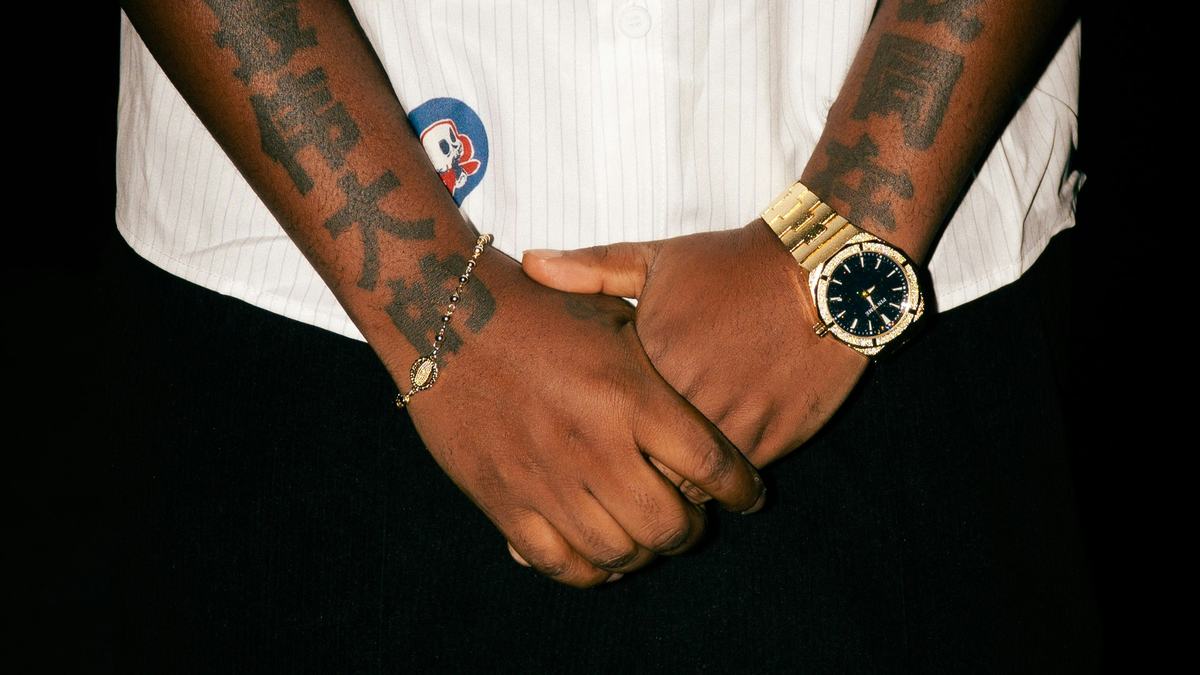
Lettering and script
Names, quotes and phrases in styles from blackletter to handwriting. Lettering looks simple but needs precise spacing; check that the artist's lettering examples are clean and consistent.
Cover-ups
A cover-up hides an old tattoo with a new design. It usually has to be darker or larger than the original. Ask for artists who specialize in cover-ups, and expect a consultation first. If you wonder whether removal could be an alternative, read about removal costs and options.
Popular themes and placements
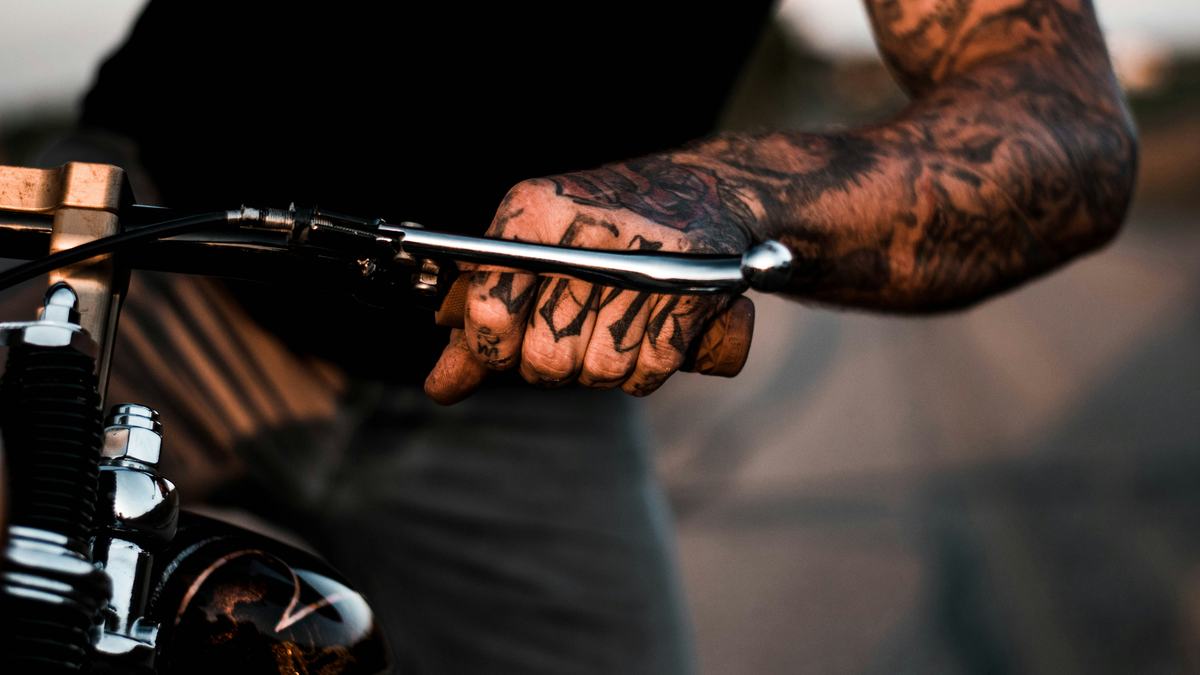
Style is not the same as subject. Subjects such as Celtic crosses, lightning bolts or meaningful symbols can be done in almost any style. Placement also changes the design: see our guides to forearm and hand tattoos.
How to choose
- Collect 5–10 reference images and note what you like – lines, color, subject, mood.
- Find the style names that match, using this guide.
- Look for artists who focus on that style and check healed work.
- Book a consultation and talk about size, placement and longevity.
Browse the style pages and the tattoo shop directory to find shops and artists near you, and read our checklist on choosing a tattoo shop before you book.
A short history behind the styles
Tattoo styles did not appear out of nowhere. American traditional grew out of sailors' tattoos and the work of early 20th-century artists, who developed bold designs that could be done quickly and last. Japanese tattooing has a centuries-long tradition with its own motifs and a different philosophy about how a design flows across the body. Black and grey became widely known through work that developed in communities in the western United States, and realism and fine line grew as machines, needles and pigments improved. Understanding where a style comes from helps you appreciate why it looks the way it does and why artists treat it with respect.
How styles age
Every tattoo changes over the years. Lines soften slightly, and sunlight takes its toll. Some styles are more forgiving than others:
- Bold lines and solid color, as in American traditional or blackwork, stay readable for a long time.
- Very fine lines and tiny details are more likely to blur. Fine line tattoos may need a touch-up after some years, especially in areas where skin moves.
- Soft shading and watercolor can fade or lose contrast. Ask the artist how they build contrast to keep the piece looking good.
- Realism needs good contrast and enough size, because small, very detailed images can lose clarity.
Placement matters as much as style: hands, feet and fingers wear faster than a forearm or shoulder. Our guides to forearm and hand tattoos go into this.
Matching idea, style and artist
A single idea can look completely different depending on the style. Take a rose: in American traditional it is a bold, simple motif with strong outlines; in fine line it becomes a delicate drawing; in realism it is a detailed portrait of a flower; in Japanese tattooing it may be part of a larger composition with wind bars and waves. When you talk to an artist, bring your subject and examples of styles you like, and ask which style would suit the size and placement you have in mind.
Tips for finding a specialist
- Search by style on our style pages and in the directory, then open each shop's website to see portfolios.
- Look for artists whose portfolio shows many pieces in the same style, not only one or two.
- Ask for healed photos, especially for fine line and watercolor work.
- Be willing to travel or wait if you want a very specific style, since specialists may be in another city.
- Respect the artist's expertise: if they suggest changing a detail so it lasts better, it is worth listening.
Mixing styles and custom work
Many modern artists blend traditions, and custom work is common. If you want a hybrid design, say so early and look for portfolios that show similar blends. A custom design takes drawing time, so expect a consultation and possibly a deposit before the artist starts. Read more about how pricing works in our tattoo cost guide.
Frequently asked questions
Can an artist mix styles?
Yes. Many artists blend elements, for example neo-traditional with Japanese motifs. Look at their portfolio for examples.
Which style lasts longest?
Bold lines and strong contrast, as in traditional or blackwork, tend to stay readable for a long time. Any tattoo benefits from sun protection and good aftercare.
Do I have to pick a style?
No, but describing what you like helps the artist. A good artist will help you shape the idea.
What is flash?
Flash is a set of pre-drawn designs that an artist can tattoo as they are, often at a set price. It is common in traditional shops.
Can I combine two styles in one tattoo?
Yes, but it takes planning. Show the artist references for both and ask whether they have done similar blends.
Which style is best for a first tattoo?
There is no single best answer. Choose the style that you love and that suits the placement, then find an artist who specializes in it. Bold, simple designs are often forgiving for a first piece.